OFW Spirit: Centuries of History Helped the Filipino Heart
Walk into airports around the world, and you will see a familiar scene: A Filipino worker helping an elderly passenger. A nurse smiling warmly at patients. A caregiver treating people like family. A hotel employee makes guests feel welcome. A household assistant remembers birthdays and favorite meals.
 Ms Pauline - Senior News Editor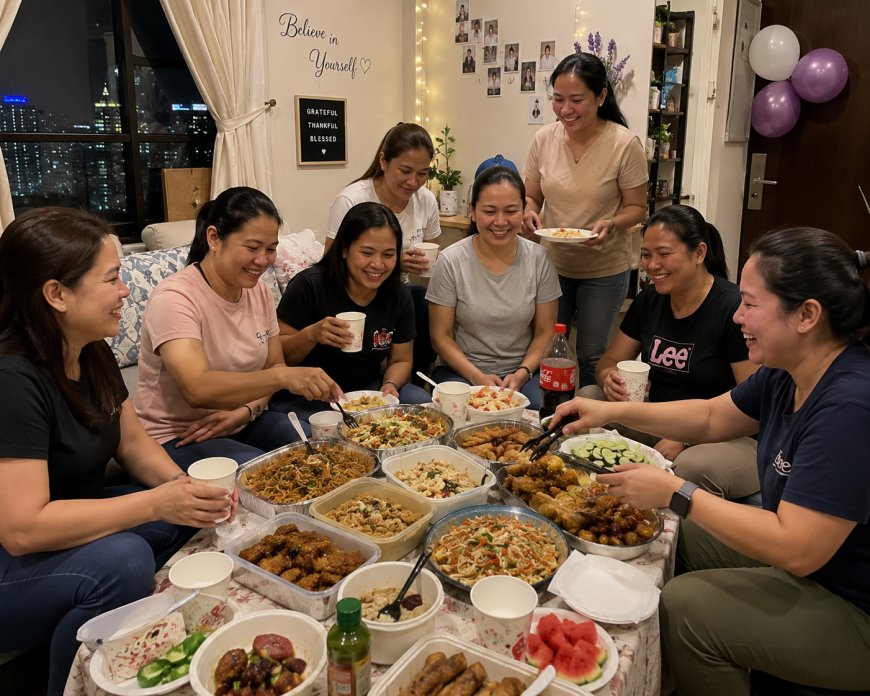
By OFW.Today Lifestyle Desk
People often ask: "Why do Filipinos seem naturally warm, adaptable, and family-centered wherever they go?" Part of the answer may lie in history.
For more than three centuries, life in the Philippines was shaped by many influences, including over 300 years of Spanish colonial presence. Over generations, cultures blended—local traditions, Asian roots, Spanish influences, faith, celebrations, language, food traditions, and family values slowly intertwined.
And perhaps without realizing it, generations of Filipinos inherited habits and values that would later become strengths abroad. Take fiestas. Almost every Filipino town seems to have one. Sometimes two. Sometimes enough celebrations to make calendars nervous. Music. Food. Parades.
Guests arriving unexpectedly. Tables somehow designed to feed half the neighborhood.
Filipinos often joke: "One visitor can become ten visitors and somehow there is still food." Funny—but not entirely untrue. Because fiestas taught something deeper: Community. Hospitality. Making people feel welcome. The idea that guests are not strangers. They become family.
Years later, many OFWs unconsciously bring this quality abroad. Employers notice it. Patients notice it. Friends notice it. Filipinos often create comfort around them.
Then there is food. Filipino culture developed with many influences over centuries, creating a love for shared meals and gatherings. Food in many Filipino homes is rarely just about eating.
Meals become conversations. Stories. Laughter. Family time.
Someone always says:"Kain tayo." (Let's eat.)Even when food is meant for three people and ten arrive. Abroad, many OFWs continue this tradition. Tiny apartments suddenly become reunion places. Someone cooks adobo. Someone brings pancit. Someone adds dessert.
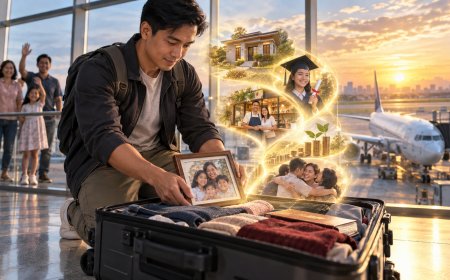
And somehow homesickness becomes lighter. Then there is travel. Filipinos have long histories of movement—between islands, provinces, and communities. Generations learned adaptability simply because life often required adjustment.
Moving to another city. Starting over. Meeting different people. Learning different customs. So when many OFWs eventually board flights abroad, they carry something valuable: The ability to adjust. Because adaptability is already part of daily life.
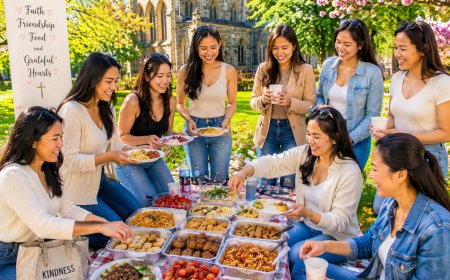
And perhaps one of the strongest influences is faith. Across generations, religious traditions became deeply woven into many Filipino families. Churches. Holy Week traditions.
Christmas celebrations. Family prayers. Community devotion. For many OFWs abroad, faith becomes more than religion. It becomes emotional strength.
During difficult days, loneliness, uncertainty, and homesickness, many still quietly whisper: "Lord, guide me." Not because life abroad is easy. Because faith often becomes part of surviving it.
Then there is family. Perhaps the strongest thread of all. Many cultures value family. But Filipinos often organize life around it. Parents. Grandparents. Aunts. Uncles. Cousins. Godparents. Neighbors who practically become relatives. Family is rarely viewed as individuals living separate lives. Family becomes identity.
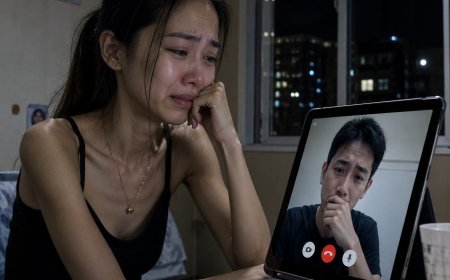
And perhaps that explains something about OFWs. Why do people leave homes they love? Why do they endure distance? Why do they continue through loneliness? Why do they smile while carrying heavy responsibilities? Not because sacrifice feels easy. Because love feels larger.
Of course, no culture alone explains every Filipino story. Every OFW is different. Every journey is personal. But history leaves fingerprints.
And perhaps across generations, Filipinos inherited something quietly powerful: A love for gathering. A habit of welcoming others. Faith during hardship. Joy in celebration.
Strength through family. And a smile that somehow appears even on difficult days. Because perhaps long before OFWs carried luggage across airports, generations of Filipinos were already carrying something else: A culture built around people. And maybe that is one reason Filipino workers continue making homes, workplaces, and communities feel warmer—wherever in the world they go.