Sunday OFW Tradition: They are Often Found in Church
For many Overseas Filipino Workers, Sunday church is about something larger than religion alone. It becomes something difficult to explain to people who have never lived far from home. Because for many OFWs, the church abroad quietly becomes a second home.
 Ms Pauline - Senior News Editor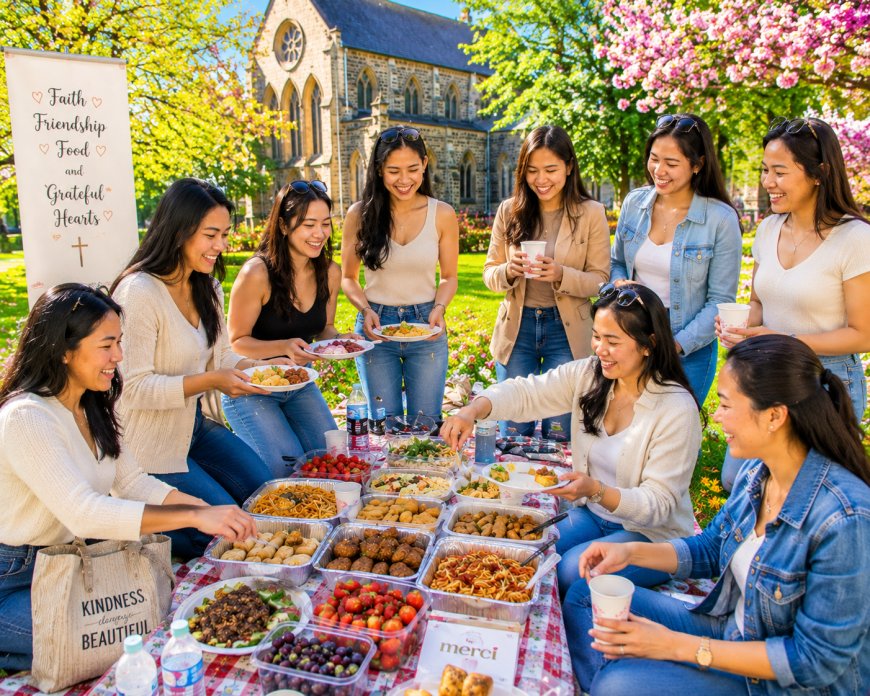
By OFW.Today Lifestyle Desk
Walk into a Catholic church almost anywhere in the world on a Sunday—whether in Europe, the Middle East, Asia, or North America—and there is a good chance you will see familiar faces.
Filipinos. Lots of Filipinos. Some arrive early. Some come in groups. Some come carrying food containers for later gatherings. Some arrive wearing simple clothes after long work shifts. Some quietly sit alone in the back. And surprisingly, some are not even Catholic. Yet they are there. Week after week.
Back in the Philippines, church was often woven into ordinary life. Parents waking their children early. Sunday Mass. Family lunches afterward. Meeting neighbors. Community gatherings. Seeing familiar faces. Hearing familiar songs.
Then one day, an OFW moves thousands of kilometers away. New country. New language. New culture. New routines. And suddenly, everything familiar becomes very far away.
Then comes Sunday. For many OFWs, the church becomes the closest feeling to home. Not only because of prayer. But because of people. Because after Mass, something beautifully Filipino often happens.
Conversations begin. "Kabayan?" (Fellow Filipino?) "Taga saan ka?" (Where are you from?) "Ilang taon ka na dito?" (How long have you been here?) And suddenly strangers become friends. Sometimes even family.
Church overseas often becomes more than worship. It becomes emotional support. Advice center. New workplace. Friendship circle. Comfort zone.
And perhaps that explains why even some OFWs who are not Catholic sometimes still go. Not because they suddenly changed religion. Not because of pressure. But because church gatherings overseas often provide something every human being quietly needs: Belonging.
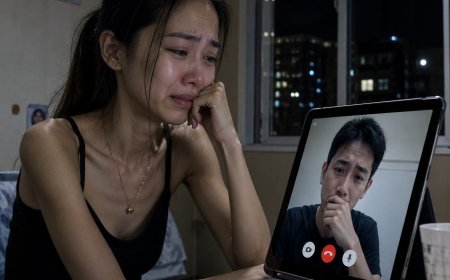
A place where people ask: "Kumusta ka?" (How are you?) And actually wait for the answer. Because loneliness abroad can become very quiet. People work. Return home. Sleep. Repeat.
Days become routine. Sometimes isolation slowly grows. Then Sunday arrives, and suddenly people laugh again. Eat together. Share stories. Speak their language.
For a few hours, homesickness becomes lighter. And then there is another beautiful reality many people notice: Many priests abroad—especially those who are not Filipino—develop deep affection for Filipino communities. Not because Filipinos are perfect.
But because many OFWs bring extraordinary warmth into parish life. Priests often notice something quickly: Filipinos volunteer. A lot. Choirs. Church decorations. Food preparation. Community events. Cleaning. Fundraising. Helping newcomers.
If a parish needs volunteers, somehow Filipinos often appear smiling and asking: "Father, saan po kami tutulong?" (Father, where can we help?) Many foreign priests quietly observe another thing too: Filipinos bring joy. Mass becomes lively. Celebrations become warmer. Community events become fuller.
Some priests even joke that when Filipinos arrive, church activities suddenly become more colorful—and occasionally involve much more food. But perhaps what priests truly notice is something deeper. Many OFWs do not come to church only during easy seasons of life.
They come carrying burdens. Missing children. Homesickness. Financial worries. Relationship struggles. Loneliness. Exhaustion. Yet many still arrive smiling. Still serving. Still helping others.
And perhaps priests recognize something profoundly human: People carrying heavy burdens often become very compassionate toward others. Because they understand struggle.
And maybe that is why many OFWs become beloved in churches around the world. Not because of nationality alone. Not because they sing loudly. Not because they bring pancit after Mass. Though admittedly… that helps.
But because they bring something churches everywhere hope to create: Community. Warmth. Faith. Family. Because for many OFWs, Sunday church was never simply about attending Mass.
Sometimes it was about finding home—even for a few precious hours in a foreign land.