Quiet Heartache : Missing the Philippines in Words Can’t Explain
For many people, an Overseas Filipino Worker (OFW) is often seen as a symbol of sacrifice, strength, and success. Family members proudly say, “Nasa abroad siya.” Social media shows beautiful photos near famous landmarks, shopping malls, winter snow, and smiling faces during vacations. But behind many of those photographs is a quieter story few people truly see. Because the biggest homesickness of an OFW is often not about missing a place. It is about missing a feeling.
 Ms Pauline - Senior News Editor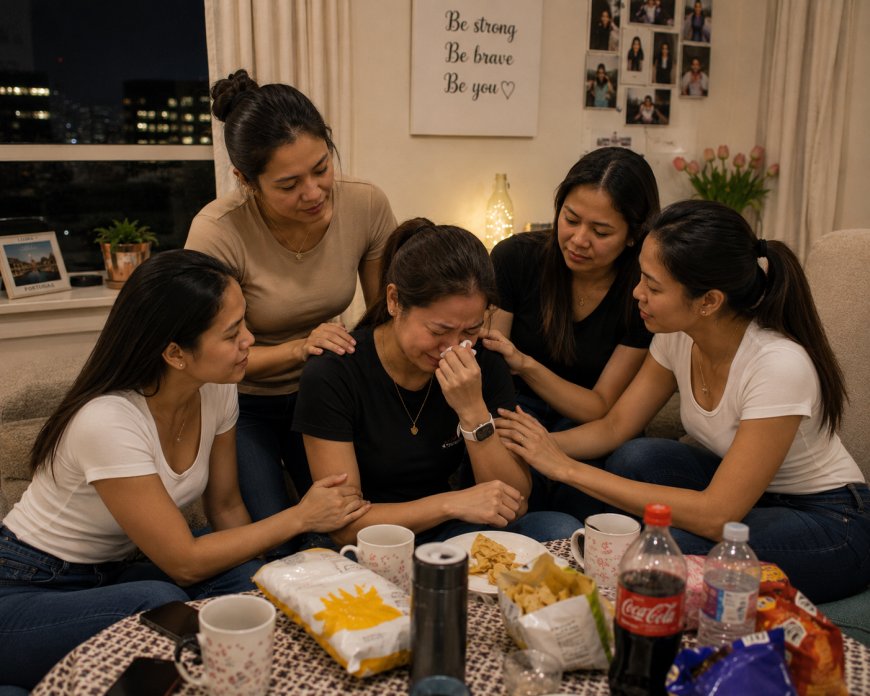
The Philippines is not perfect. Filipinos complain about traffic, heat, politics, and long lines. Yet the moment an OFW lives thousands of kilometers away, something unexpected happens.
Suddenly, the things once taken for granted become priceless.
The sound of tricycles in the morning. Neighbors casually calling your name from outside. Children laughing in the streets. The smell of someone cooking garlic, onions, and rice from a nearby kitchen.
An OFW may be standing in a beautiful city abroad with clean sidewalks and modern trains—and still suddenly miss a small sari-sari store beside a village basketball court.
Homesickness is strange that way.
Many OFWs quietly admit they miss Filipino noise. Not loud noise—but our noise.
The noise of fiestas. Relatives arriving without invitation. Family karaoke that somehow reaches impossible notes at midnight. The birthday parties where ten people unexpectedly become fifty. The organized chaos of Filipino life.
In many countries, life is efficient and private. In the Philippines, life is shared. And OFWs often discover that difference only after leaving.
Then comes Sunday. For many OFWs, Sundays can become emotional. Back home, Sunday meant family lunch, church, cousins visiting, eating together, teasing each other, and arguing over who gets the last piece of lechon.
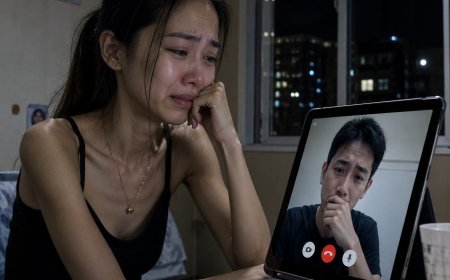
Abroad, Sunday can simply mean laundry. Cleaning. Resting. Video calls.
Smiling through a phone while quietly wishing you could teleport for just one afternoon.
And perhaps the deepest heartache of all is time. While OFWs are working hard abroad, life in the Philippines continues moving on without them.
Children suddenly grow taller. Parents become older. Friends get married. New babies are born. Family traditions continue. And sometimes OFWs realize they have become visitors in the very place they still call home.
That realization hurts. Some OFWs speak of another difficult feeling they rarely discuss openly: the pain of missing important moments. Graduations watched through videos. Birthdays celebrated through screens. Funerals attended through messages. First steps, first words, family gatherings—moments experienced from far away.
Money can support a family. But distance always has a price. Yet despite these heartaches, OFWs continue. Because love often speaks a language stronger than loneliness.
Every extra shift, every holiday worked, every winter endured, every lonely apartment dinner carries a silent message: "I miss home... but I’m doing this for the people I love."
Perhaps that is why Filipinos abroad are admired worldwide. Not simply because they work hard. But because they carry two worlds inside them—the country where they work, and the country that never truly leaves their hearts.
And no ma tter how many years pass, how many passports are stamped, or how many cities are visited, many OFWs quietly know one truth:
Home is still the Philippines. Not because it is perfect. But because it is where their heart still speaks its original language.